TL;DR Summary:
In the Accounts Receivable Management (ARM) ecosystem, debt buyers acquire past-due portfolios from original creditors for a fraction of their face value—typically just four to seven cents on the dollar. When debt buyers outsource the recovery of these accounts to third-party collection agencies, the agencies generally operate on a contingency basis, retaining 20% to 50% of the recovered funds. Because the margins depend entirely on successful recovery, integrating an automated, MCC 7322-compliant payment processor like Payscout is critical for maximizing ROI and reducing operational overhead.
The Accounts Receivable Management (ARM) industry is a complex, highly regulated ecosystem driven by strict margin calculations. For agency owners and financial executives, understanding the exact economics of how debt changes hands—and how those funds are ultimately recovered—is essential for long-term profitability.
One of the most frequently asked questions by those entering the space or looking to optimize their operations is: How much do debt buyers pay for debt, and how does the financial relationship with debt collectors work?
To answer this, we must break down the secondary debt market, examine the contingency models of collection agencies, and understand why efficient payment processing is the ultimate deciding factor in a debt buyer’s return on investment.
The Economics of Debt Buying: Cents on the Dollar
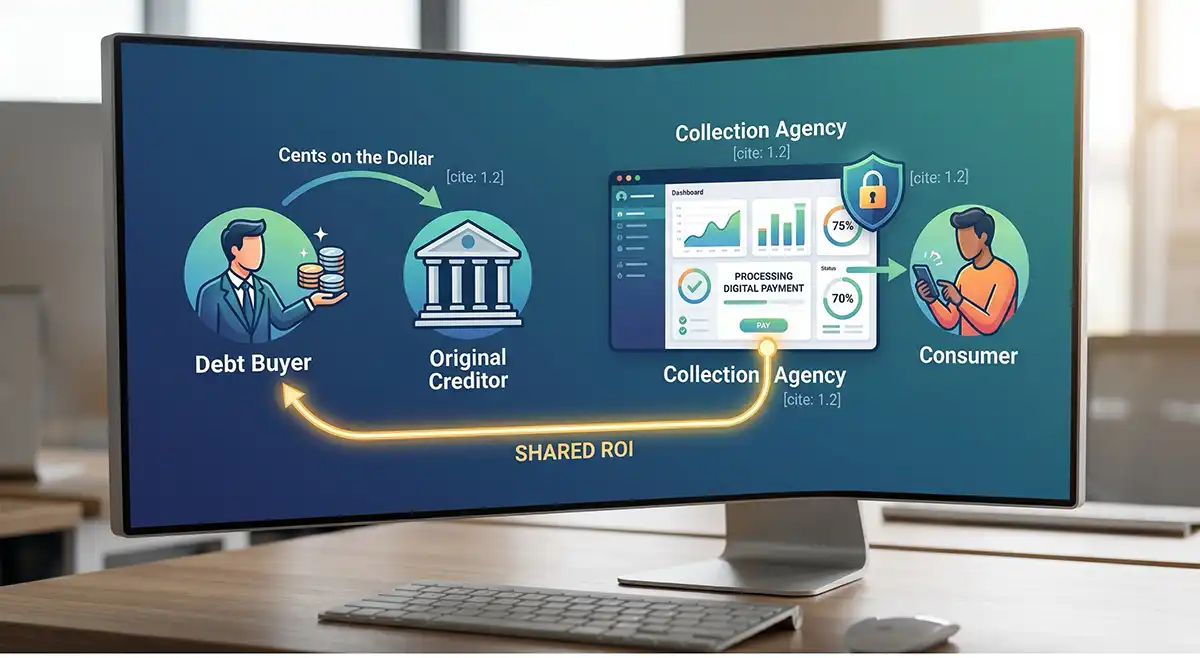
The lifecycle of consumer debt typically begins with an original creditor, such as a bank, credit card issuer, or medical facility. When a consumer defaults on their obligation, the original creditor eventually writes off the account as a loss.
Rather than abandoning the revenue entirely, original creditors sell these past-due portfolios on the secondary market to companies known as debt buyers. Because the likelihood of recovering older, defaulted debt is statistically low, debt buyers do not pay the face value of the outstanding balances. Instead, they purchase these portfolios for a small fraction of the total amount owed—often referred to as buying debt for “cents on the dollar”.
- Average Costs: While the exact figure varies based on the age and type of the debt, data indicates that debt buyers typically pay between four to seven cents on the dollar.
- The Margin Potential: If a debt buyer purchases a $1,000 credit card debt for just $50 (five cents on the dollar), every dollar recovered above that initial $50 investment represents a significant profit margin.
The Debt Collector’s Role and Contingency Fees
Once a debt buyer owns a portfolio, they must recover the funds. While some large debt buyers have internal recovery departments, many outsource the actual recovery process to third-party debt collection agencies.
So, how much do debt collectors pay debt buyers? In reality, the financial flow operates in reverse. Debt collectors do not pay debt buyers; rather, debt buyers hire debt collectors on a contingency fee basis.
If the collection agency successfully recovers the debt from the consumer, they keep a percentage of the collected amount as their fee.
- Standard Contingency Rates: Depending on the age of the debt and the difficulty of recovery, collection agencies typically charge a contingency fee ranging from 20% to 50% of the recovered funds.
- Shared Success: If the agency fails to collect, they do not get paid. This heavily incentivizes the collection agency to utilize the most efficient, consumer-friendly recovery tools available.
Maximizing ARM Margins with Automated Payment Processing
Because the debt buyer has already sunk capital into acquiring the portfolio, and the debt collector is giving up a massive percentage of overhead to agent salaries, maximizing the final profit margin requires operational efficiency. In 2026, the primary driver of this efficiency is automated payment processing.
The MCC 7322 Processing Challenge
Both debt buyers and collection agencies operate under Merchant Category Code (MCC) 7322. This classification is considered high-risk by major card networks like Visa and Mastercard due to elevated chargeback risks and strict regulatory oversight. Relying on a standard, off-the-shelf payment gateway often leads to frozen merchant accounts, blocked transactions, and lost revenue.
Protecting Margins by Reducing Overhead
To secure their margins, ARM businesses must partner with a specialized payment processor. By integrating a solution built specifically for MCC 7322, agencies can deploy automation to reduce the overhead costs associated with manual debt collection:
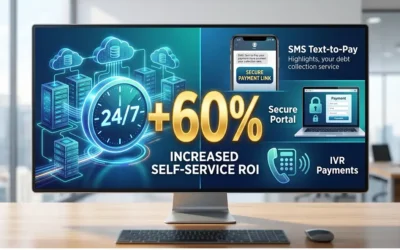
- Frictionless Self-Service: Allowing consumers to pay 24/7 via secure web portals or mobile links means agencies can collect revenue without paying an agent an hourly wage to facilitate the transaction.
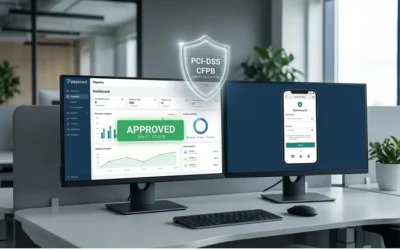
- Compliance Protection: Specialized processors automatically route transactions securely, utilizing Point-to-Point Encryption (P2PE) and tokenization to maintain strict compliance with PCI-DSS and Consumer Financial Protection Bureau (CFPB) guidelines. Protecting consumer data prevents catastrophic regulatory fines that would otherwise wipe out a portfolio’s ROI.
Stop Letting Payment Friction Erode Your Margins
Whether you are a debt buyer looking to increase your portfolio’s yield, or a collection agency striving to maximize your contingency revenue, secure and automated payment processing is your most valuable asset.
Contact Payscout’s ARM Processing Specialists Today — Learn how our MCC 7322-compliant gateway can automate your collections and protect your bottom line.