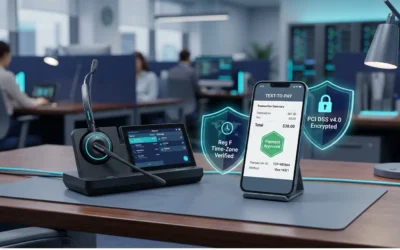

TL;DR Summary: US e-commerce merchants expanding into Latin America face extreme checkout friction because the vast majority of local consumers do not use or trust traditional US credit card networks. Standard US processors struggle to handle dominant localized Alternative Payment Methods (APMs). Meeting buyers where they are with native cash-based and local card rails—enabled instantly via a single Payscout API—dramatically reduces cart abandonment and unlocks high-growth markets.
In the modern financial landscape, compliance and risk management are frequently treated like an afterthought—a secondary layer tacked onto a payment system only after a breach occurs or a regulator intervenes.
We take a fundamentally different view. Compliance and risk scoring are not features; they are the very architecture of the system.
As transaction volume shifts toward machine-speed automated purchases, static, rule-based fraud detection systems have become completely obsolete. Hardcoded rules create rigid parameters that either let sophisticated fraud slip through or generate high rates of “false declines,” blocking legitimate cross-border buyers. To protect corporate revenue and preserve your permission to operate, financial gateways must deploy real-time, adaptive machine learning risk engines directly into the transaction path.
Why Static Rules Fail at Machine Speed
Legacy fraud systems evaluate risk using static thresholds: checking IP addresses, basic velocity checks, or simple geographic blocks. In cross-border B2B commerce—where transaction values are large and payment routing spans multiple jurisdictions—these static checks introduce immense friction.
When a legitimate international business prospect attempts to check out, legacy systems frequently flag the transaction as anomalous, resulting in an outright rejection.
| Gateway Type | Evaluation Method | Primary Outcome | Approval Rate |
|---|---|---|---|
| Legacy Gateway | Static Rule Check | False Decline | 45% |
| Adaptive ML Gateway | Dynamic Risk Scoring | Instant Approval | 85%+ |
False declines are a silent profit killer. You do not stop fraud by locking the front door to legitimate global revenue; you stop fraud by building an intelligent, adaptive filter.
The Three Pillars of Adaptive Risk Scoring
An enterprise-grade risk engine evaluates transactions in milliseconds without disrupting the user experience. This requires three integrated capabilities:
- Behavioral Anomaly Detection: Machine learning models analyze thousands of contextual datapoints—device telemetry, behavioral cadence, and transactional history—to establish a dynamic baseline for normal behavior.
- Real-Time Regulatory Screening: Every transaction is cross-referenced in real time against global watchlists, including OFAC sanctions, AML tracking, and KYC identity validation, before the transaction routes to card networks.
- Self-Healing Thresholds: Unlike static rules that require manual developer updates, adaptive ML models adjust risk confidence scores continuously based on emerging global threat patterns.
The Regulatory Shield as an Operational Advantage
Waiting to deal with regulatory exposure after a transaction clears is a losing strategy. By architecting compliance and risk scoring directly into the software core, every payment moving through the Payscout gateway undergoes automated, real-time screening.
This automated background shield eliminates the compliance friction that keeps business leaders up at night. It transforms risk management from a corporate bottleneck into an operational advantage—allowing U.S. merchants to safely capture high-ticket international sales with industry-leading approval rates.
About the Author: Cleveland Brown is the Co-founder and CEO of Payscout. Drawing on a foundation in philosophical frameworks from UCLA, he has spent over 25 years architecting global payment systems and scaling high-performing corporate cultures. He is a pioneer in removing friction from global commerce, specializing in cross-border payment infrastructure, automated regulatory compliance shields, and the next generation of financial technology.