by Cleveland Brown | Nov 18, 2026 | Payments
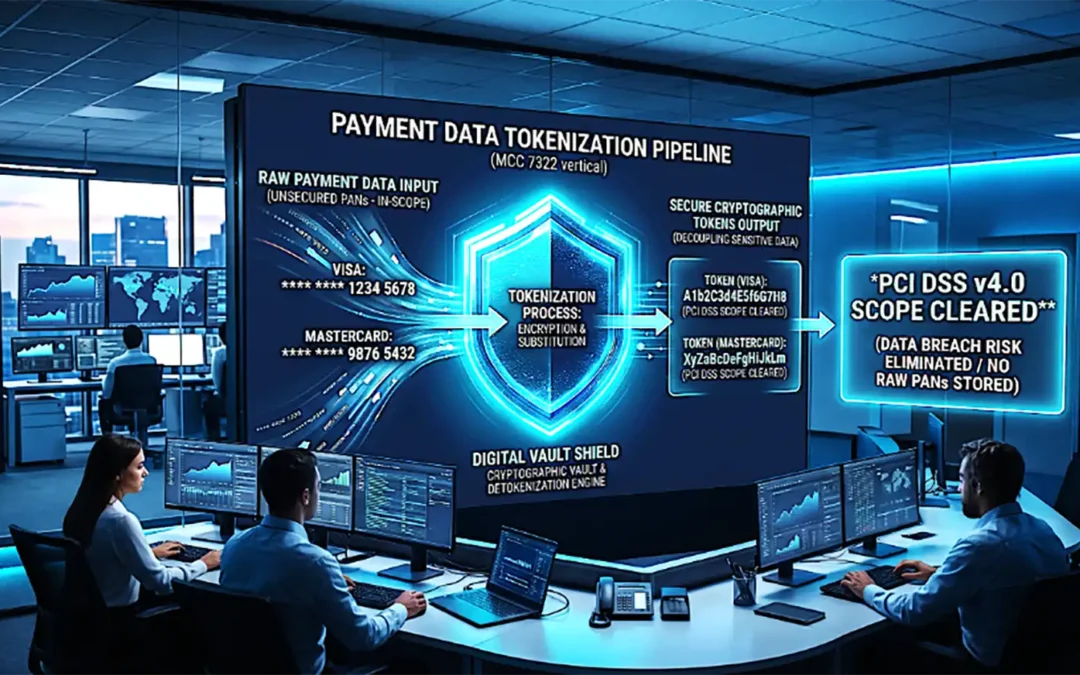
TL;DR Summary: Storing raw credit card numbers or bank account details on internal collection servers creates catastrophic breach exposure, massive PCI DSS v4.0 audit overhead, and severe regulatory liability under CFPB guidelines and the FTC Safeguards Rule. Payment... 
by Cleveland Brown | Nov 18, 2026 | Payments
TL;DR Summary: Traditional payment processors frequently terminate Accounts Receivable Management (ARM) merchant accounts under Category Code (MCC) 7322 due to misclassified risk, unexpected chargeback spikes, and regulatory scrutiny. When a standard processor... 
by Cleveland Brown | Nov 18, 2026 | Payments
TL;DR Summary: Relying exclusively on live agents for payment recovery limits operations to 9-to-5 business hours and increases regulatory exposure under CFPB Regulation F and PCI DSS v4.0. Deploying automated Interactive Voice Response (IVR) phone systems and secure... 
by Cleveland Brown | Nov 18, 2026 | Payments
TL;DR Summary: High-risk Merchant Category Code (MCC) 7322 and CFPB Regulation F impose rigorous compliance mandates on Accounts Receivable Management (ARM) businesses. Relying on manual enforcement or legacy payment gateways creates severe operational bottlenecks,... 
by Cleveland Brown | Nov 16, 2026 | Merchants, Payments
TL;DR Summary: Traditional cross-border settlement finality is slow, requiring funds to travel through multiple intermediary banks, subject to FX volatility while in transit. Payscout architectures provide an security shield by utilizing tokenized US Dollar...