TL;DR Summary:
- The New Baseline: In 2026, consumer patience is at an all-time low. Forcing customers to wait at a stationary cash register creates bottlenecks and costs you sales; mobile payment processing is now an industry expectation.
- Line-Busting: Upgrading to mobile processing allows staff to take payments anywhere on the floor, eliminating checkout lines and capturing high-intent buyers right on the spot.
- Modern Payment Methods: Mobile hardware equipped with NFC technology allows you to instantly accept the digital wallets (like Apple Pay and Google Pay) and contactless EMV cards that modern consumers prefer, reducing cart abandonment.
- Untethered Revenue: Mobile processing frees your business from a physical storefront, allowing service-based professionals (like HVAC technicians or landscapers) to collect immediate payments on the job instead of waiting on delayed paper invoices.
In 2026, the modern consumer values one thing above all else: speed. Whether they are shopping in a traditional brick-and-mortar store, attending a pop-up market, or donating to a non-profit organization at a fundraising gala, nobody wants to wait in a bottlenecked checkout line.
If your business is still forcing customers to wait at a stationary cash register, you are actively losing sales. The retail and service industries have fundamentally shifted, and mobile payment processing is no longer just a trendy add-on—it is the baseline expectation.
To stay ahead of industry trends, businesses must eliminate checkout friction by bringing the point of sale directly to the consumer. Here is how upgrading your mobile payment capabilities can future-proof your business and drive revenue.
1. Eliminating the “Checkout Line” Friction
Long lines lose customers. We are all guilty of abandoning items and exiting a store after determining a purchase was not actually worth the wait.
By upgrading to mobile payment processing options, your sales associates or field technicians can take payments directly via a smartphone or mobile terminal anywhere on the floor. This strategy—often called “line-busting”—ensures you capture high-intent buyers in the moment. Instead of pointing a customer to a line at the back of the store, you finalize the transaction on the spot.
2 Accepting the Wallets Consumers Actually Use
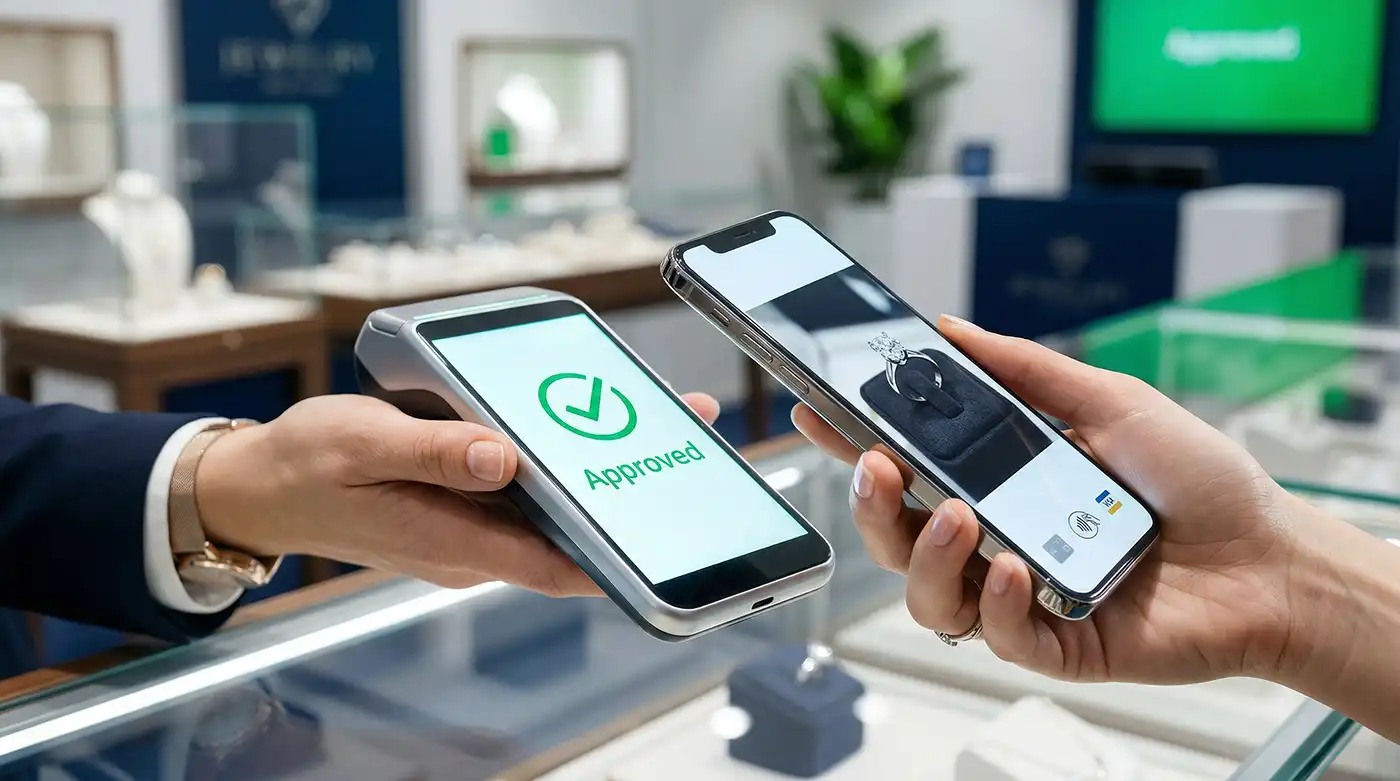
Today, paying with a physical credit card is rapidly taking a back seat to digital wallets. The average consumer expects to pay with Apple Pay, Google Pay, or contactless EMV cards.
Modern mobile payment processing hardware is equipped with Near Field Communication (NFC) technology, allowing you to accept these contactless payments instantly. If your mobile setup cannot accept a digital tap, you are falling behind the technology curve and risking cart abandonment.
3. Taking Your Business Anywhere
Mobile processing frees your business from the confines of a physical storefront. If you are a service-based business (like an HVAC technician, a landscaper, or an at-home healthcare provider), mobile payment options allow you to collect payments instantly upon completing a job, rather than relying on delayed paper invoices.
This drastically reduces accounts receivable cycles, prevents late payments, and provides your business with immediate cash flow.
Scale Your Mobile Payments with Payscout
Staying ahead of industry trends means partnering with a payment processor that builds technology for the future. Payscout offers robust, secure, and fully compliant mobile payment processing options designed for businesses of all sizes.
When you partner with us, you gain access to:
- Smart Device Integration: Transform your Apple or Android smartphone into a secure, fully functioning terminal with our mobile card readers and app subscriptions.
- Omnichannel Synchronization: Our mobile point of sale seamlessly syncs with your online e-commerce gateway and physical countertop terminals, creating one unified reporting dashboard.
- Enterprise Security: All mobile transactions are encrypted point-to-point and adhere strictly to PCI DSS standards, ensuring your customers’ data is never at risk over mobile networks.
Ready to untether your checkout experience? Don’t let outdated technology slow down your sales. Contact the Payscout team today to find the perfect mobile payment processing options for your business.
Frequently Asked Questions: Mobile Payment Processing
What is a mobile point of sale (mPOS) system? A mobile point of sale (mPOS) is a smartphone, tablet, or dedicated wireless device that performs the functions of a traditional cash register or electronic point of sale terminal. By using a secure card reader attachment or built-in NFC technology, businesses can process debit, credit, and digital wallet transactions completely wirelessly.
How to accept payments on a mobile device securely? To securely accept payments on a mobile device, you must partner with a PCI-compliant merchant services provider. You should only use encrypted card readers supplied by your processor, ensure your mobile device is connected to a secure or cellular network (never public Wi-Fi), and utilize software that uses tokenization so raw credit card data is never stored on the actual phone or tablet.
What are the best mobile payment processing options for merchants? The best mobile payment processing options are those that offer omnichannel integration. Rather than using a standalone mobile app that isolates your sales data, the best option is to use a mobile solution—like Payscout’s mobile app and readers—that automatically syncs with your existing e-commerce payment gateway and accounting software for unified reporting.
Why do businesses need omnichannel mobile payment solutions? Businesses need omnichannel solutions because modern consumers expect a continuous, flexible shopping experience. An omnichannel mobile setup allows a customer to start a transaction online and seamlessly finish it in person with a mobile terminal, or vice versa, without the merchant having to reconcile multiple, disconnected payment systems at the end of the month.